
The Best Social Media Platforms for Small Businesses in 2026
If social media feels more overwhelming than ever, you are not imagining it. New platforms emerge; algorithms shift; content expectations evolve almost monthly. For small business owners, the question is no longer whether to use social media; it is where to focus.
Because here is the reality: you do not need to be everywhere. You need to be in the right places.
In 2026, social media remains one of the most powerful growth channels available. According to recent data, 68% of small business owners say social media delivers the most value for their business, more than any other marketing channel . At the same time, over 90% of businesses actively use social media in their marketing strategy . The opportunity is clear; but so is the competition.
So how do we decide where to invest our time and energy?
It begins with understanding that each platform serves a different purpose. There is no universal “best” platform; there is only the best platform for your audience, your content, and your business model.
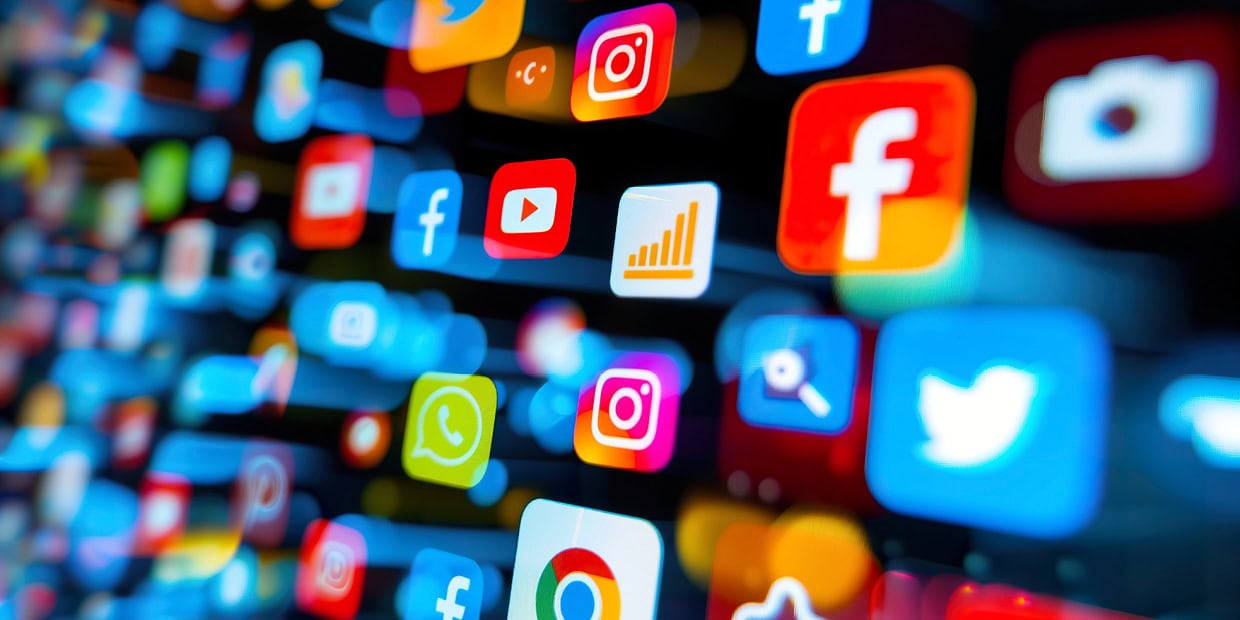
Facebook remains one of the most dominant platforms, especially for local businesses. With billions of users and strong community features, it continues to be a powerful tool for building awareness and maintaining relationships. In fact, Facebook is still the most used platform by marketers globally . Its strength lies in familiarity. People use it to stay connected, discover local businesses, and engage with community events.
For small businesses, this makes Facebook particularly effective for local visibility. Events, groups, reviews, and messaging features create multiple touchpoints for interaction. It is not always the trendiest platform; but it is one of the most reliable.
Instagram, on the other hand, thrives on visual storytelling. It is where brands build identity, showcase products, and create emotional connection. Approximately 73% of small businesses use Instagram regularly to connect with customers , which speaks to its continued relevance.
What makes Instagram powerful in 2026 is not just the feed; it is the ecosystem. Reels drive discovery; Stories maintain engagement; direct messages facilitate conversation. It is a platform where brand personality can be expressed clearly and consistently.
Then there is TikTok, which has transformed how content is discovered.
TikTok is no longer just a platform for entertainment; it has become a search engine in its own right. Consumers are actively using it to find products, services, and recommendations . Its algorithm prioritizes content quality over follower count, which creates a unique opportunity for small businesses.
This means that a single well-crafted video can outperform months of traditional posting. It levels the playing field. For businesses willing to embrace short form video and authenticity, TikTok offers unmatched reach potential.
YouTube also deserves attention, particularly as video continues to dominate content consumption. Long form and short form video coexist on the platform, giving businesses flexibility in how they communicate.
YouTube builds authority. It allows businesses to educate, demonstrate, and explain in depth. While it may require more effort to produce content, the long-term value is significant. Videos can continue generating views and traffic for months or even years after being published.
LinkedIn serves a different purpose entirely; but for the right businesses, it is invaluable.
For B2B companies, service providers, and professionals, LinkedIn is where credibility is built. It is less about viral content and more about insight, expertise, and relationships. Sharing industry knowledge, engaging in conversations, and building a professional presence can lead to meaningful opportunities.
Interestingly, platforms like Pinterest are often underestimated. While it may not be the first platform that comes to mind, it consistently delivers strong performance in certain industries. With lower advertising costs and a search driven format, it can be highly effective for product based businesses and visual niches .
What makes Pinterest unique is intent. Users are actively looking for ideas, inspiration, and solutions. This makes it a powerful platform for discovery, especially for businesses in home, fashion, food, and lifestyle categories.
As we look across all platforms, a pattern emerges.
Video is leading the way.
More than half of small businesses plan to increase investment in video marketing in 2026 . Consumers are engaging more with video; sharing it more frequently; and using it as a primary source of information. Whether it is short form content on TikTok and Instagram or longer form content on YouTube, video is no longer optional.
At the same time, engagement is becoming more valuable than reach.
Metrics like comments, shares, and saves carry more weight than simple views. According to industry data, 64% of marketers say engagement is their most important metric, and 69% report that social media directly increases leads. This reinforces a key shift: connection matters more than visibility alone.
It is also important to recognize the growing role of social commerce.
Platforms are making it easier than ever for users to discover and purchase without leaving the app. This shortens the customer journey and creates new opportunities for small businesses to convert attention into sales quickly.
However, with all of these options, the biggest mistake businesses make is trying to do too much.
The idea that you need to be on every platform is one of the most damaging myths in modern marketing. It leads to burnout; inconsistent content; and diluted messaging. Instead, a focused approach produces better results.
Choose one or two platforms where your audience is most active. Learn how those platforms work. Create content that aligns with their strengths. Build consistency before expanding.
As one marketing principle suggests: depth beats breadth.
There is also a human element that cannot be ignored.
Social media is not just about content; it is about interaction. Responding to comments; engaging with followers; participating in conversations. In fact, research shows that a majority of customers expect businesses to respond quickly on social media, and many will disengage if they do not receive a response .
This reinforces the idea that social media is not a broadcast channel; it is a relationship channel.
Ultimately, the best platform for your business is the one that aligns with your goals and your audience.
If you are a local business, Facebook and Instagram may be your foundation. If you are targeting younger audiences or looking for rapid growth, TikTok may be the opportunity. If you are building authority in a professional space, LinkedIn may be your focus. If you rely on visual discovery, Pinterest and YouTube may offer untapped potential.
There is no universal answer; only strategic alignment.
Because in 2026, success on social media is not about being everywhere. It is about being intentional.
The best social media platforms for small businesses in 2026 depend on audience, content style, and business goals. With billions of users and growing reliance on social platforms for discovery and decision making, the opportunity is significant. By focusing on the right platforms, prioritizing video and engagement, and building real connections, small businesses can turn social media from a time-consuming task into a powerful driver of growth.